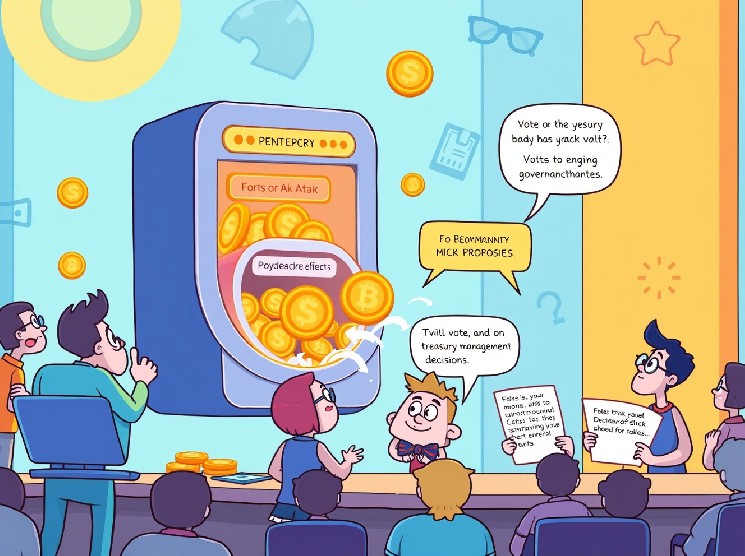
The landscape for decentralized exchanges has gotten even more exciting as dYdX has launched a groundbreaking governance vote that could reshape token economics. The foundation's recent announcement revealed a bold dYdX buyback proposal, with 75% of all protocol revenues being dedicated to buying back DYDX tokens from the open market. This strategic move represents one of the most important financial management decisions in DeFi history.
What does dYdX's share buyback proposal actually mean?
dYdX’s buyback initiative is more than just a governance proposal, it is a fundamental change in how the protocol manages its substantial revenue stream. The plan would see three-quarters of all fees generated by the platform automatically flow into a dedicated buyback program. This creates a powerful mechanism where increased usage of the platform directly translates into demand for tokens.
The breakdown of revenue distribution is as follows:
- 75% is stock buyback – Creates continuous purchasing pressure
- 5% Treasury sub-DAO – Funding ecosystem development
- 5% to Megavault – Support for staking rewards
Why is this dYdX buyback vote so important to token holders?
The timing and size of this dYdX repurchase offer are particularly significant. The community has limited time to shape the protocol's financial future, as voting ends on July 13th at 12:20 PM UTC. This is about establishing sustainable tokenomics that benefit long-term holders, not just short-term price movements.
Successful implementation of a dYdX buyback program could result in several important benefits.
- Circulating supply decreases over time
- Increasing the scarcity and value of tokens
- Stronger alignment between protocol success and token valuation
- Improving trust from institutional investors
How is dYdX's share buyback different from traditional corporate share buybacks?
While the concept of share buybacks is not new in traditional finance, dYdX's share buyback approach brings unique benefits to the decentralized world. Unlike corporate stock buybacks that primarily benefit executives and major shareholders, the dYdX buyback program operates through a transparent on-chain mechanism, benefiting all token holders proportionately.
The advantage of this dYdX buying strategy is its automation and transparency. Every transaction on the platform contributes to the buyback fund, creating a virtuous cycle where platform growth drives demand for the tokens. This represents an innovative approach to value distribution in a decentralized ecosystem.
What challenges might the dYdX buyback program face?
Despite the exciting possibilities, the dYdX buyback proposal is not without potential hurdles. Governance participation rates, market volatility, and regulatory considerations all play a role in determining program success. However, the structured approach shows thoughtful planning, with clear allocations for both buybacks and ecosystem development.
The 5% allocation to the Treasury sub-DAO ensures continued protocol development, while the Megavault allocation maintains staking incentives. This balanced approach addresses the needs of multiple ecosystems simultaneously, making the dYdX buyout offer more sustainable than a simple redistribution model.
Conclusion: A defining moment for decentralized governance
The dYdX buyback vote is not just a financial decision, it is also a test case for advanced financial management in DeFi. If successful, this model could set new standards for how decentralized protocols manage resources and create value for token holders. The July 13 results could influence similar decisions across the crypto ecosystem.
FAQ
When does the dYdX buyback vote end?
Voting ends at 12:20pm UTC on July 13th, so the community has a limited amount of time to weigh in on this important decision.
What percentage of revenue goes toward the buyback program?
The proposal would allocate 75% of protocol revenue to share buybacks and 5% each to Treasury subDAO and Megavault.
How will a dYdX buyback affect the token price?
Although there are no guarantees, buybacks typically create buying pressure, reduce circulating supply, and can support the value of the token over time.
Can regular users participate in governance voting?
Yes, any DYDX token holder can participate in the governance process through the official dYdX governance portal.
What happens if the dYdX buyback offer fails?
If rejected, the current revenue sharing model will continue unless the community proposes and passes an alternative.
How often does this program involve share buybacks?
The proposal suggests continued stock buybacks as earnings accumulate, although specific implementation details may vary depending on market conditions.
Was this analysis of the dYdX buyback proposal helpful? Share this article with other crypto enthusiasts on Twitter and join the conversation about decentralized governance.
To learn more about the latest DeFi trends, check out our article on key developments shaping decentralized financial institution adoption.
Disclaimer: The information provided does not constitute trading advice. Bitcoinworld.co.in takes no responsibility for investments made based on the information provided on this page. We strongly recommend independent research and consultation with qualified professionals before making any investment decisions.


