

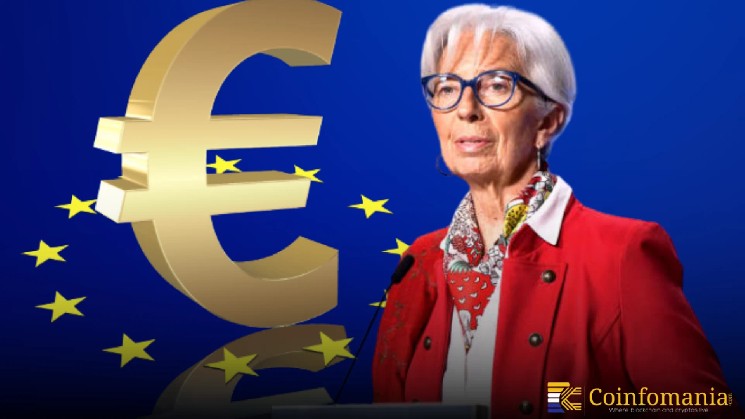
European Central Bank (ECB) head of policy Olaf Slijpen has warned that the rapid rise in stablecoin prices could force the ECB to reconsider interest rates. A stablecoin is a digital currency that aims to maintain a stable value against major currencies such as the euro or dollar.
WATCH: 🇪🇺 Stablecoin hoarding could force ECB to reconsider interest rates, top policymaker Olaf Slijpen warns – FT. pic.twitter.com/fJsl439enD
— Whale Insider (@WhaleInsider) November 17, 2025
These digital assets are growing rapidly. Many people use them for quick payments, online transactions, and cross-border transfers. But Slypen stressed that if investors withdraw large sums of money all at once, it could cause serious problems for banks and the wider financial system.
interest rates may change
Interest rates help central banks control inflation and support economic growth. If bank liquidity declines due to a bank run on stablecoins, the ECB could be forced to take swift action. Therefore, policymakers may adjust interest rates sooner than planned or in a different way than planned.
In doing so, the ECB will aim to maintain confidence in the financial system. Slypen's warning shows that digital finance could have more of an impact on traditional monetary policy than many realize.
Stablecoins and market risk
Stablecoins provide a predictable digital store of value. However, Slypen pointed out that money moves in and out of these assets very quickly. Unlike traditional bank deposits, stablecoins often lack insurance. As a result, a sudden loss of confidence in a major stablecoin could lead to increased market volatility.
This volatility can affect banks, payment systems, investors, etc. alike. Therefore, financial institutions need to prepare for potential shocks to avoid many problems in the economy.
Regulatory measures under discussion
The ECB and other European regulators are actively discussing rules for stablecoins. They propose stronger reserve requirements, increased transparency, and increased oversight of issuers.
Slipen stressed that coordinated regulation is essential. Clear rules will enable digital financial innovation while safeguarding financial stability. Without such rules, the ECB could face tough decisions, including unexpected interest rate adjustments.
Impact on investors and banks
Consumers use stablecoins for the convenience of payments and digital transfers. But Slijpen's warning about ECB stablecoins reminds the ECB to tread more carefully. Meanwhile, banks and financial institutions need to prepare for possible liquidity problems.
If a stablecoin causes disruption, it could impact short-term market sentiment. Therefore, investors and institutions should closely monitor developments and adapt their strategies accordingly.
ECB’s strategy on stablecoin risks
The ECB continues to monitor digital currencies closely, and policymakers need to balance innovation with security. If stablecoins cause disruption, the ECB could take strong measures, including a review of interest rates. Slypen’s warnings about ECB stablecoins highlight the rapid growth of digital finance and the need for careful regulation.


