
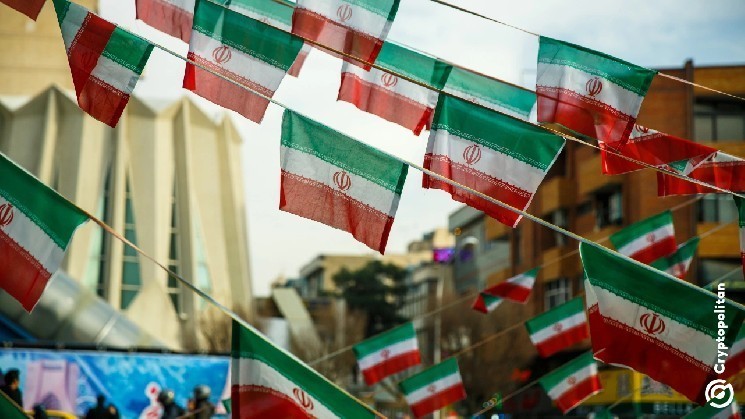
Iran reiterated its determination to focus on digital development despite the war and Western sanctions. Minister of Information and Communications Technology (ICT) Seyed Sattar Hashemi spoke at the opening ceremony of the high-level session of the World Telecommunications Development Conference (WTDC-25) in Baku.
Mr. Hashemi discussed Iran's advances in information and communication technology and stressed that equal access to digital space must be recognized as a fundamental human right.
The theme of WTDC-25 is “Global, meaningful and affordable connectivity for inclusive and sustainable development”. Hashemi noted that Iran has significantly reduced the cost of high-use mobile internet packages to 0.3% of per capita GDP and the cost of fixed internet to 0.2%, putting the country on the list of countries with the most affordable digital services.
Iran commits to digital development amid war and sanctions
Hashemi said Iran has removed one of the biggest barriers to online access: high costs. The minister added that Iran currently has approximately 166.3 mobile internet subscriptions per 100 inhabitants, and 3G and 4G/LTE network coverage is over 92%. He added that 5G network deployment is also increasing, reaching about 2,400 active sites across the country.
Hashemi emphasized that internet connectivity does not only mean being online. It should be about realizing meaningful benefits and creating opportunities for scientific, economic and social development. He also highlighted Iran's progress in reducing the digital divide between urban and rural areas, noting that the country ranks ninth in the world in reducing the rural gap in digital payments. Financial technology and online services are also now available to residents in both locations.
The Minister said these achievements were due to two major national programs. The first is to establish a digital ecosystem for government services, he said. This ecosystem delivers public services through a single platform supported by intelligent agents. These agents handle administrative processes on your behalf, improving social equity while saving time, energy, and money.
The second program focuses on improving and expanding the national fiber optic network. The country is moving from copper to fiber to extend high-speed connectivity to homes and businesses. The program achieved approximately 45% of the national goal and ensured more than 9 million households were connected. The minister said the expansion will improve the quality of the internet and also provide a stable foundation for future-proof technology.
Hashemi emphasizes the need for global digital cooperation
Pointing to military attacks on civilian communications infrastructure, cyberattacks, and restrictions on advanced technologies and financial networks during the recent conflict, which lasted 12 days, Mr. Hashemi emphasized that these achievements were achieved under extremely difficult conditions. He praised the country and its workers for their resilience and expertise during difficult times.
The minister added that Iran is ready for win-win cooperation with countries willing to promote inclusive digital development and aims to increase the contribution of the digital economy to 10% of the national GDP.
In his closing remarks, the Minister emphasized the role of international cooperation in achieving sustainable digital development. He pointed out that the goal of 10% digital economy share cannot be achieved without the right global partnerships.
Mr. Hashemi stressed that the Islamic Republic of Iran welcomes engagement with other countries to foster synergies in building a digital future that is accessible to all. Meanwhile, Iran is not the only country taking advantage of the digital economy.
Oman recently announced its intention to improve its digital economy to boost GDP by 10%. The country announced it would build a national digital economy program and focus on three pillars.


