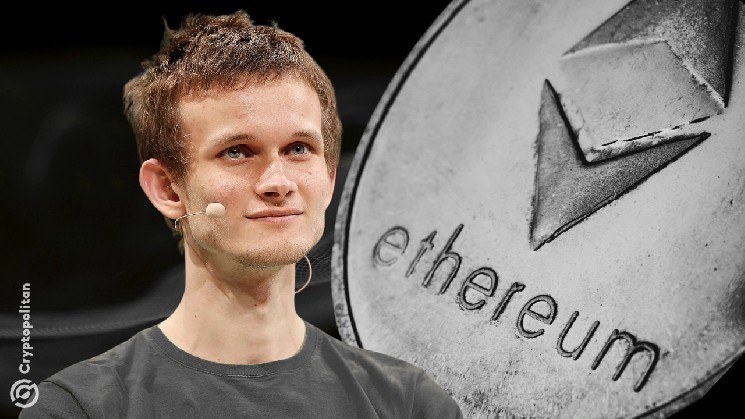
“Privacy is not a feature. Privacy is hygiene,” Ethereum founder Vitalik Buterin said after hackers broke into several U.S. banks and stole customer information.
Hackers reportedly targeted JPMorgan Chase, Citi, and Morgan Stanley during a cyberattack on mortgage technology company SitusAMC. The breach highlighted the vulnerability of sensitive data within banks and how easily large systems can compromise customer information.
Banks face risks as stolen data exposes sensitive customer records
SitusAMC was the victim of a cyberattack on November 12, 2025, which resulted in the leakage of a large amount of confidential company information, including accounting records and legal documents. In this case, customer data may have been compromised. The company announced that although the breach had been stopped, its systems were still operational and that it had notified federal authorities of the incident.
Notably, no cryptographic malware (such as ransomware) was used, indicating that the cybercriminals were attempting to evade detection. Banks at risk of being affected include JPMorgan Chase, Citi and Morgan Stanley, according to multiple reports. The full extent of the leaked data has not yet been revealed. Still, the threat that a breach by one third-party vendor could affect multiple large Wall Street banks highlights new threats to the supply chain that can be exploited through cyberattacks.
Hackers penetrated SitusAMC's security systems and stole customer information associated with the major bank. They stole financial documents, legal contracts, and other confidential client and customer information, and company officials are investigating the scope of the theft and its possible use in fraudulent activities.
Experts say storing large amounts of personal and business information in one place is extremely risky because hackers could use the stolen information for illegal activities that damage the reputations of both companies and their customers.
JPMorgan Chase, Citi, and Morgan Stanley were all notified that their customer data may have been compromised, and the news quickly spread on social media platforms. X financial news accounts and technology commentators discussed the incident, raising concerns among the public about how big banks should be held accountable for their own security systems and those of their customers.
Members of the technology and cryptocurrency community used this incident to highlight the dangers of storing sensitive data without robust security measures. Ethereum co-founder Vitalik Buterin even said that privacy should be as important as hygiene for banks and digital companies to treat privacy as a matter of routine.
Ethereum developers are developing new tools to keep people's information safe
Buterin wrote an essay in April outlining plans for Ethereum to increase privacy through the use of stealth addresses that hide transaction details. ETH also displays only the information needed in a given situation, and zero-knowledge tools allow users to interact without having to understand complex cryptography to protect themselves.
Shiv Shankar, CEO of Boundless, said privacy must be practiced on a daily basis to prevent hackers or mistakes from leaking confidential information and causing real harm to those using the network.
The Ethereum Foundation introduced a new privacy-focused research cluster in October, hiring 47 engineers, cryptographers, coordinators, and researchers to collaborate on projects that enhance the security and privacy of ETH for users. The team also showcased a privacy-first browser wallet and software toolkit called Kohaku, created by Nicolas Consigny and Buterin. This software helps users protect their information when using ETH applications.
Bitcoin developers are also working on Taproot upgrades and wallet-level improvements to make transactions harder to trace and more secure. At the same time, developers are building new Ethereum Layer 2 solutions with privacy as a fundamental part of the system, rather than adding it as an afterthought.
Privacy-focused companies such as Zcash are also becoming increasingly popular now as they allow users to hide the details of their transactions. Nasdaq-listed companies bought more ZEC, pushing the price up 469% in one month. This just proves that investors are starting to realize the value of privacy.


